Choosing the right approach to capturing heavenly scenes in pictures starts with clear context, practical filters, and realistic expectations.
Introduction to Heavenly Scenes
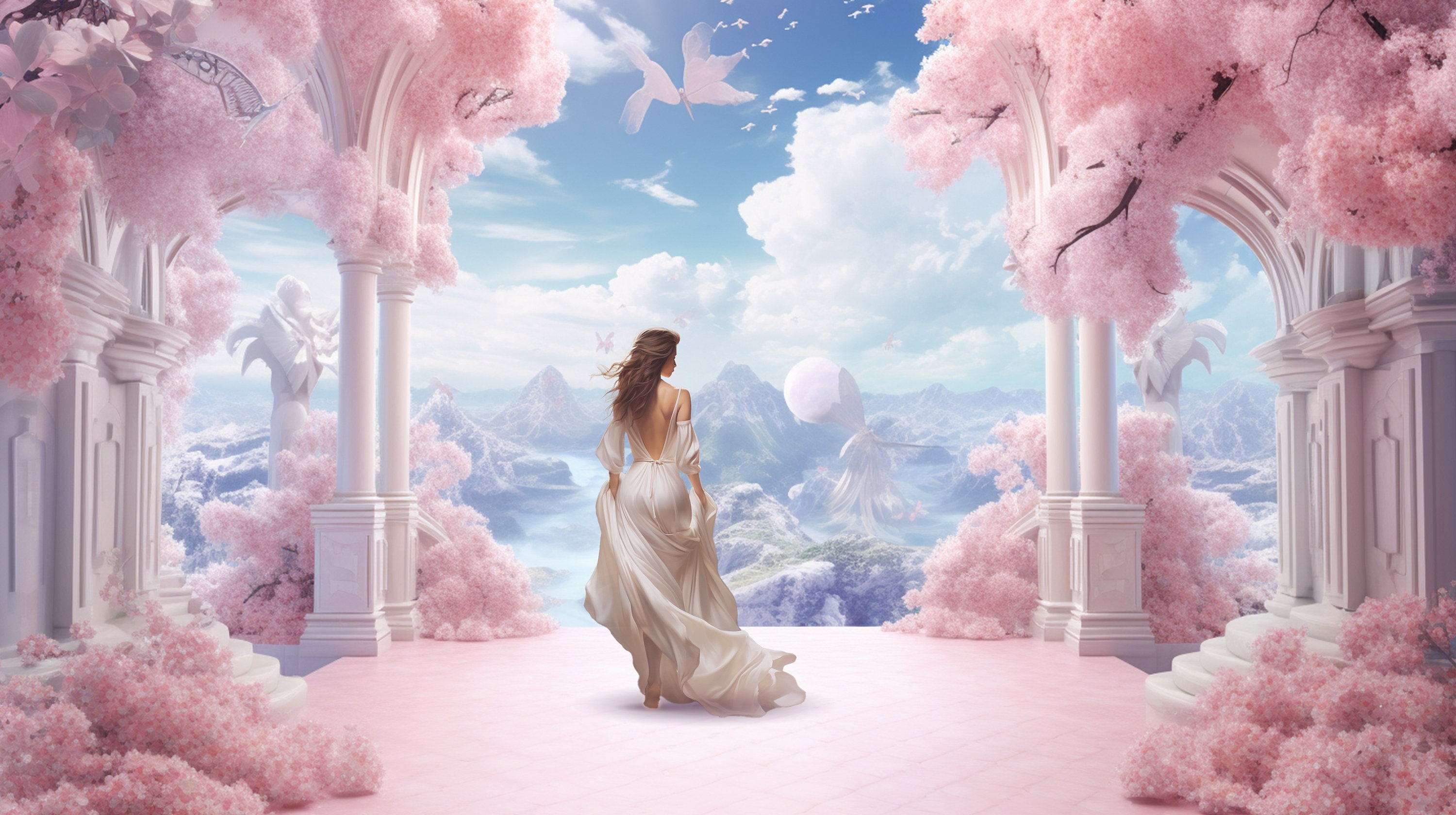
Heavenly scenes have long been a source of inspiration for artists, photographers, and anyone who appreciates the beauty of nature. From breathtaking sunsets to serene landscapes, these scenes have the power to evoke emotions and spark imagination. With the advancement of photography, capturing heavenly scenes has become more accessible than ever, allowing us to relive and share these moments with others.
Types of Heavenly Scenes Heavenly scenes can be categorized into various types, each with its unique characteristics and charm. Some of the most popular
types include:
Sunsets and Sunrises
These scenes are known for their vibrant colors and dramatic skies, making them a favorite among photographers. The soft, warm light of the setting or rising sun adds a magical touch to the surroundings, creating a truly heavenly atmosphere.
Landscapes and Scenery From rolling hills to majestic mountains,
landscapes offer a diverse range of heavenly scenes. The play of light and shadow on the terrain, combined with the beauty of nature, creates a breathtaking visual experience.
Seascapes and Coastlines The ocean's vastness and power have always been a source of inspiration, and capturing its beauty in pictures can be a truly rewarding experience. From serene beaches to dramatic coastlines,
seascapes offer a wide range of heavenly scenes to explore.
Tips for Capturing Heavenly Scenes Capturing heavenly scenes in pictures requires a combination of technical skills and artistic vision. Here are some
tips to help you get started:
- Understand your equipment: Familiarize yourself with your camera's settings and features to ensure you can capture the scene in the best possible way.
- Pay attention to light: Lighting can make or break a photograph, so learn to work with natural light to create stunning effects.
- Composition is key: Experiment with different compositions to add depth and interest to your photographs.
- Be patient: Capturing heavenly scenes often requires waiting for the right moment, so be prepared to spend time and effort to get the shot.
Tools and Software for Editing Heavenly Scenes Once you've captured your heavenly scene, it's time to edit and enhance the image. Here are some popular
- tools and software to consider:
- Adobe Lightroom: A powerful editing software that offers a wide range of tools and features to enhance your photographs.
- Skylum Luminar: A user-friendly editing software that provides a variety of filters and effects to add a touch of magic to your images.
- Capture One: A professional-grade editing software that offers advanced tools and features for precise control over your images.
- Canva: A graphic design platform that provides a range of templates and design tools to create stunning visual content.
- Pixlr: A free online photo editor that offers a variety of tools and features to edit and enhance your photographs.
Common Mistakes to Avoid When capturing heavenly scenes, there are several common mistakes to avoid:
- Incorrect exposure: Failing to adjust the exposure settings can result in overexposed or underexposed images.
- Poor composition: Neglecting to consider the composition of the scene can lead to unbalanced and uninteresting photographs.
- Insufficient attention to detail: Failing to notice and adjust for distracting elements in the scene can detract from the overall impact of the image.
Realistic Use Cases Capturing heavenly scenes in pictures has a wide range of practical applications, from:
- Travel and tourism: Sharing stunning images of destinations to inspire and attract visitors.
- Marketing and advertising: Using breathtaking visuals to promote products and services.
- Personal expression: Creating art and sharing personal experiences through photography.
Conclusion
Capturing heavenly scenes in pictures is a rewarding experience that requires a combination of technical skills, artistic vision, and attention to detail.
By understanding the types of heavenly scenes, using the right tools and software, and avoiding common mistakes, you can create stunning visuals that inspire and awe. Whether you're a professional photographer or an amateur enthusiast, the world of heavenly scenes is waiting to be explored and captured.